STUDIO BLOCKET
STUDIO BLOCKET
STUDIO BLOCKET
Feb 2023 – Present | An abstract strategy game about perspective
Feb 2023 – Present | An abstract strategy game about perspective
Adobe Illustrator
Adobe Illustrator
Game Design
Product Design
Marketing
Supply Chain
Game Design
Product Design
Marketing
Supply Chain
2.5 years
2.5 years
OVERVIEW
OVERVIEW
OVERVIEW
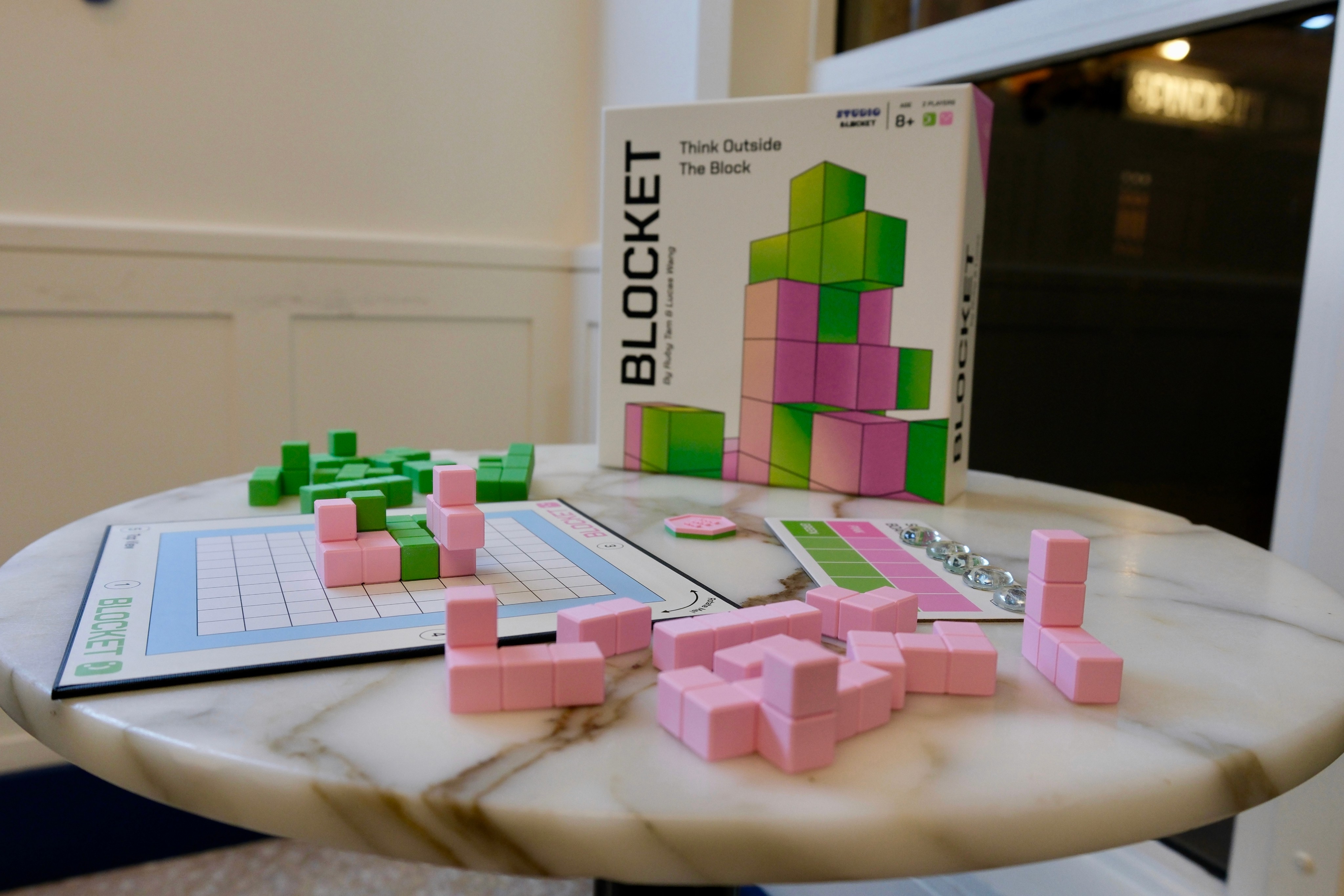
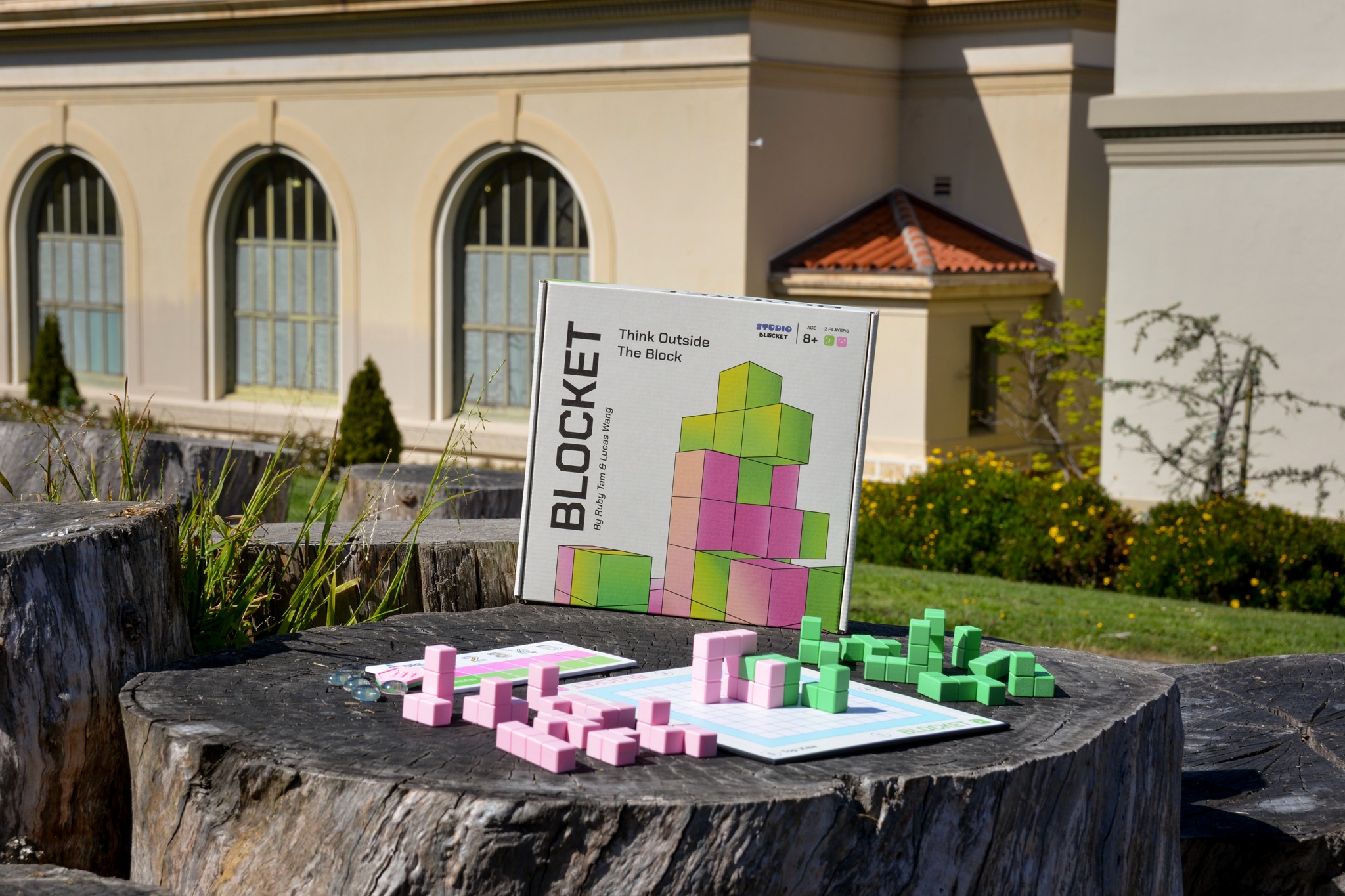
Blocket is a project that my friend Ruby and I designed and produced at UC Davis. After receiving enthusiastic feedback from professors and peers during class, the End-of-Year Showcase, and conventions such as GobbleCon 2023, we committed to sharing Blocket with the world by producing deliverable retail copies.
Blocket is a project that my friend Ruby and I designed and produced at UC Davis. After receiving enthusiastic feedback from professors and peers during class, the End-of-Year Showcase, and conventions such as GobbleCon 2023, we committed to sharing Blocket with the world by producing deliverable retail copies.
Blocket is a project that my friend Ruby and I designed and produced at UC Davis. After receiving enthusiastic feedback from professors and peers during class, the End-of-Year Showcase, and conventions such as GobbleCon 2023, we committed to sharing Blocket with the world by producing deliverable retail copies.
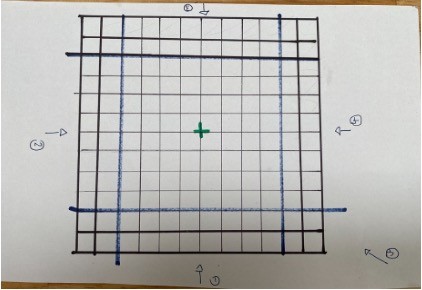
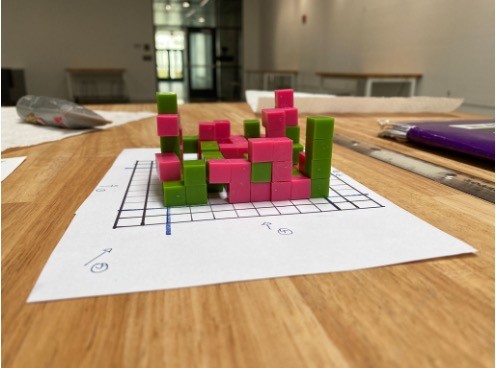
I developed the first prototype of Blocket in an Intro to Analog Game Design class at UC Davis. After contemplating the constraints of the project, Ruby and I brainstormed a slate of ideas that we began to dissect and playtest. One of the principles I try to enforce in my game design is to make playable prototypes as soon as possible. This helps challenge any assumptions I may make about player behavior and ensures I move forward with valid concepts.
I developed the first prototype of Blocket in an Intro to Analog Game Design class at UC Davis. After contemplating the constraints of the project, Ruby and I brainstormed a slate of ideas that we began to dissect and playtest. One of the principles I try to enforce in my game design is to make playable prototypes as soon as possible. This helps challenge any assumptions I may make about player behavior and ensures I move forward with valid concepts.
I developed the first prototype of Blocket in an Intro to Analog Game Design class at UC Davis. After contemplating the constraints of the project, Ruby and I brainstormed a slate of ideas that we began to dissect and playtest. One of the principles I try to enforce in my game design is to make playable prototypes as soon as possible. This helps challenge any assumptions I may make about player behavior and ensures I move forward with valid concepts.
PROTOTYPING
PROTOTYPING
PROTOTYPING
SHOWCASE
SHOWCASE
SHOWCASE
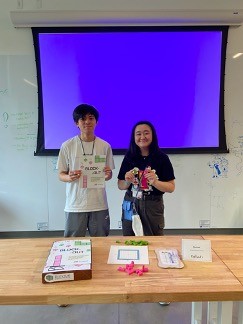
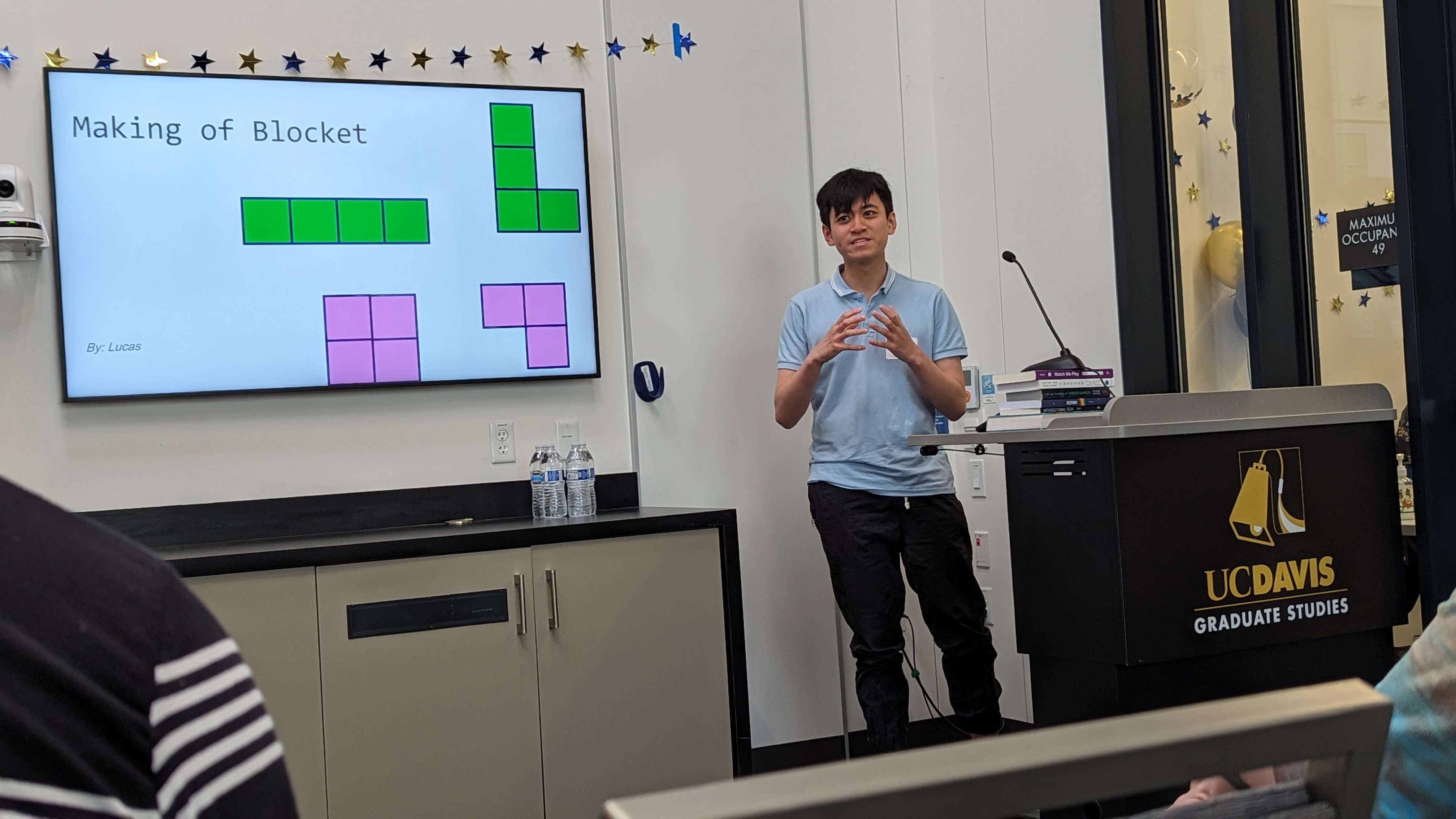
After receiving positive feedback during our in-class showcase, we signed up to show our game at venues such as the End-of-Year Showcase, GobbleCon in San Francisco, and the Connections: 2024 conference hosted by the Critical Hit! Research Cluster.
After receiving positive feedback during our in-class showcase, we signed up to show our game at venues such as the End-of-Year Showcase, GobbleCon in San Francisco, and the Connections: 2024 conference hosted by the Critical Hit! Research Cluster.
After receiving positive feedback during our in-class showcase, we signed up to show our game at venues such as the End-of-Year Showcase, GobbleCon in San Francisco, and the Connections: 2024 conference hosted by the Critical Hit! Research Cluster.
Our players were struck by the intuitiveness of our game and inspired us to see potential beyond its initial form. Motivated by their enthusiasm, we decided to continue development and began work on branding, better designs, and manufacturing.
Our players were struck by the intuitiveness of our game and inspired us to see potential beyond its initial form. Motivated by their enthusiasm, we decided to continue development and began work on branding, better designs, and manufacturing.
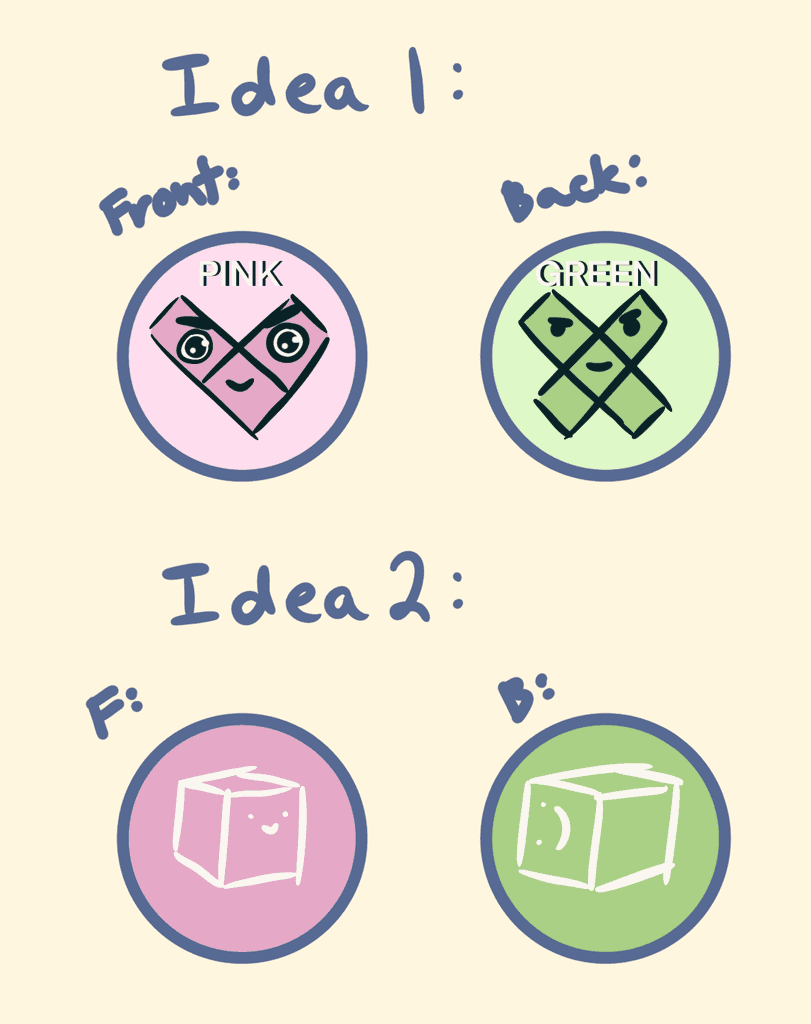
As we searched for manufacturers capable of producing our components, we refined our designs. Ruby focused on branding, I worked on the rulebook, and we collaborated on the packaging. This was a highly involved process where we traded sketches, notes, and feedback from playtests.
As we searched for manufacturers capable of producing our components, we refined our designs. Ruby focused on branding, I worked on the rulebook, and we collaborated on the packaging. This was a highly involved process where we traded sketches, notes, and feedback from playtests.
Our initial goal was to produce 30 copies of our game for friends and supporters. With this in mind, we decided to run the studio as a break-even company. Accounting for setup, manufacturing, and shipping costs, we set the final selling price at $25 for preorders and $28 thereafter.
Our initial goal was to produce 30 copies of our game for friends and supporters. With this in mind, we decided to run the studio as a break-even company. Accounting for setup, manufacturing, and shipping costs, we set the final selling price at $25 for preorders and $28 thereafter.
FIRST
PRODUCTION
RUN
FIRST
PRODUCTION RUN
FIRST PRODUCTION RUN
MARKETING
& BRAND
MARKETING
& BRAND
MARKETING
& BRAND
Through this process, we also learned to cultivate a social media presence and build brand identity. We used mascots, WIP posts, and trendy video formats to engage with our supporters and stay memorable to them as we continued development.
Through this process, we also learned to cultivate a social media presence and build brand identity. We used mascots, WIP posts, and trendy video formats to engage with our supporters and stay memorable to them as we continued development.

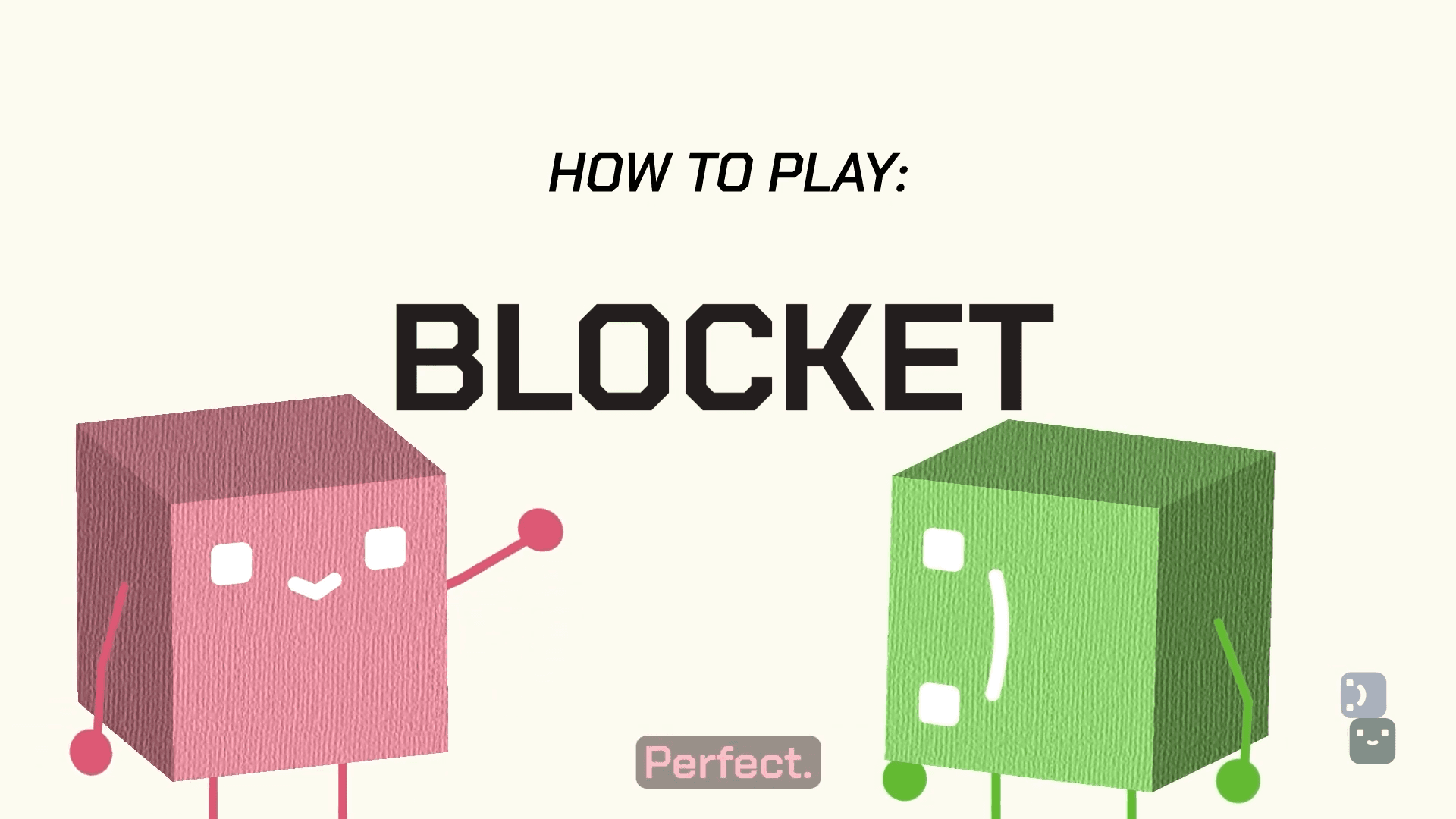
Since we sold out in a week for our first production run, we knew we had the momentum to keep going. This time, we set our sights on retail. This would require us to continue improving the product's quality while keeping costs low.
Since we sold out in a week for our first production run, we knew we had the momentum to keep going. This time, we set our sights on retail. This would require us to continue improving the product's quality while keeping costs low.
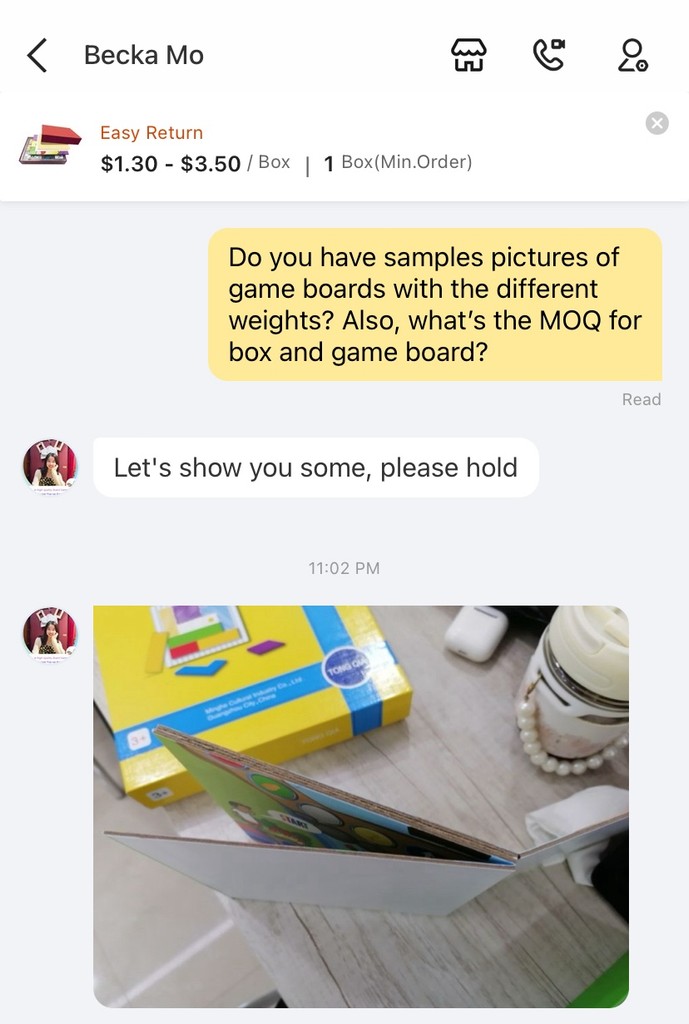
To drive improvements, I targeted weaknesses in our first batch of products. One major issue was the inconsistency of colors, materials, and textures in our game. I also wanted to upgrade to matte-paper rulebooks and two-piece boxes—both of which are industry standard. Both concerns could be addressed by reducing our supplier base and selecting a reliable one. Upon close analysis, I selected Launch Tabletop for their reasonable pricing, customizable components, and responsive customer service.
To drive improvements, I targeted weaknesses in our first batch of products. One major issue was the inconsistency of colors, materials, and textures in our game. I also wanted to upgrade to matte-paper rulebooks and two-piece boxes—both of which are industry standard. Both concerns could be addressed by reducing our supplier base and selecting a reliable one. Upon close analysis, I selected Launch Tabletop for their reasonable pricing, customizable components, and responsive customer service.
SECOND
PRODUCTION
RUN
SECOND
PRODUCTION RUN
SECOND
PRODUCTION RUN
DELIVERY
& RETAIL
DELIVERY
& RETAIL
DELIVERY & RETAIL
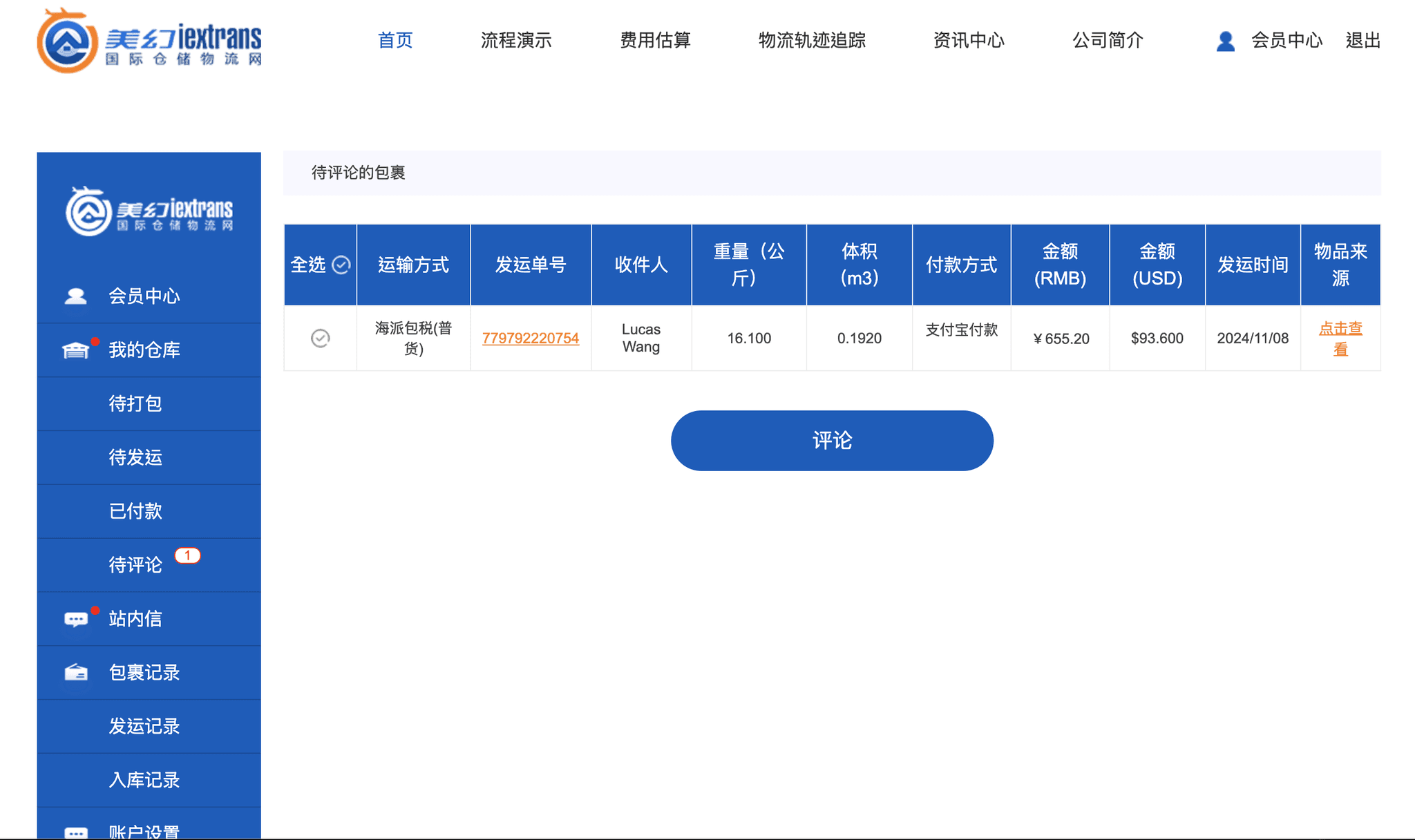
Once manufacturing was complete, I coordinated shipping to rented warehouse space and arranged for all components to be shipped to Davis by freight.
Once manufacturing was complete, I coordinated shipping to rented warehouse space and arranged for all components to be shipped to Davis by freight.
Once manufacturing was complete, I coordinated shipping to rented warehouse space and arranged for all components to be shipped to Davis by freight.
My experience delivering the games was much more involved than the first time. As a lot of our new customers were overseas, I ordered boxes and shipping labels to deliver to customers in Hong Kong, Pennsylvania, and the UK.
My experience delivering the games was much more involved than the first time. As a lot of our new customers were overseas, I ordered boxes and shipping labels to deliver to customers in Hong Kong, Pennsylvania, and the UK.
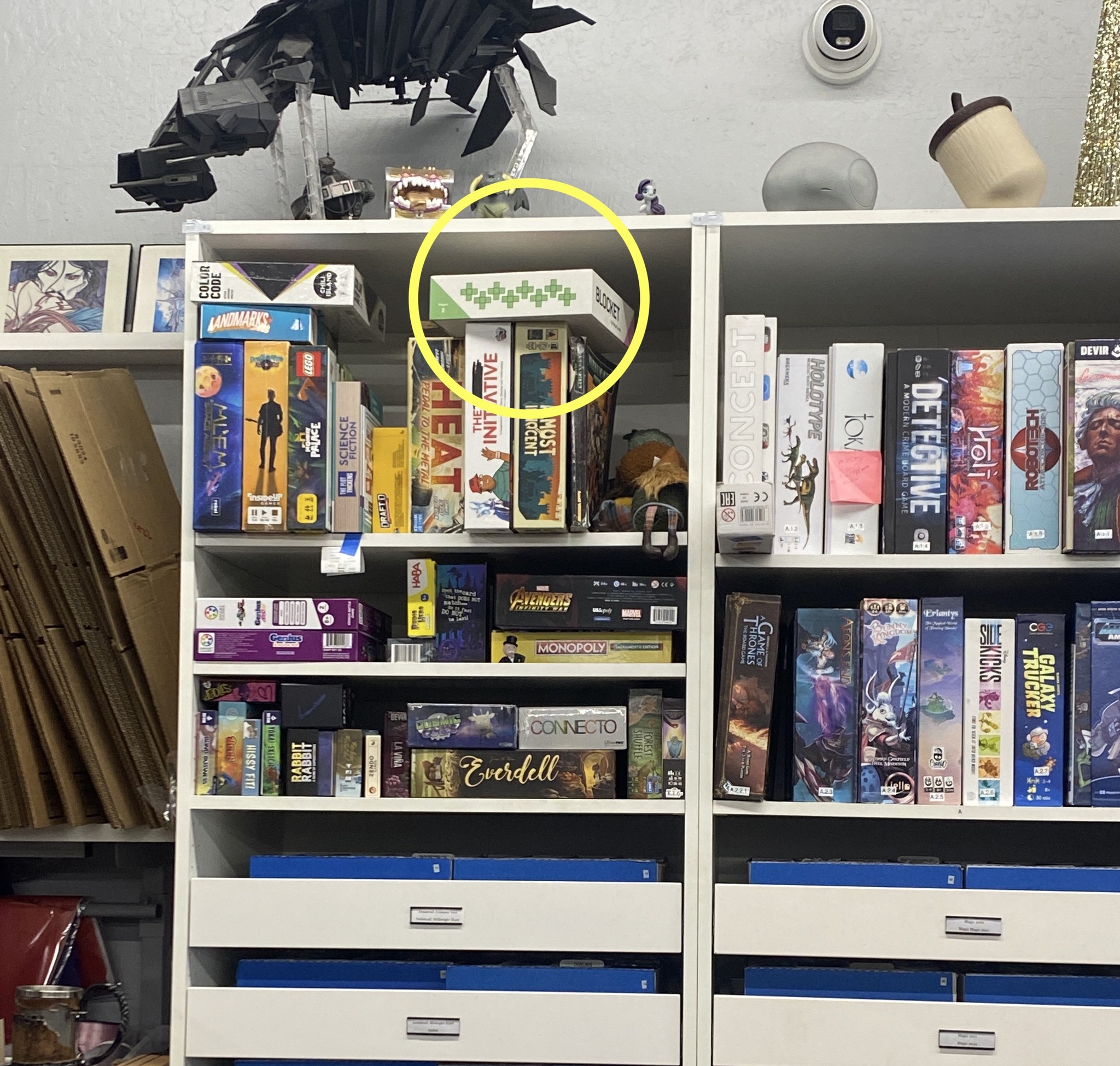
Finally, through college connections and cold emails, I landed our game at Dunloe Brewery & Davis Cards & Games through wholesale and consignment deals.
Finally, through college connections and cold emails, I landed our game at Dunloe Brewery & Davis Cards & Games through wholesale and consignment deals.
LEARNING
OUTCOMES
LEARNING
OUTCOMES
LEARNING
OUTCOMES
The process of designing, polishing, and producing a real board game was exhilarating and one that I learned a lot from. Here are some of my main takeaways:
The process of designing, polishing, and producing a real board game was exhilarating and one that I learned a lot from. Here are some of my main takeaways:
The process of designing, polishing, and producing a real board game was exhilarating and one that I learned a lot from. Here are some of my main takeaways:
Prototype to your level of confidence. The reason that we were able to improve and eventually build a game that was suitable for retail distribution is by testing in small batches. If we had committed all our resources right away, we wouldn’t have been able to step back and critique our product where necessary to take it to the next level.
Work with financial and technical constraints. As a designer, I had a clear vision for what my product should look like but had to navigate constraints to make it real. I learned to make strategic compromises to ensure the product retained its identity at scale and stayed at a reasonable price.
Master the pitch. Through Blocket, I learned that creating a product was only half the battle. Selling it required different skills and significant devotions of time and energy. For instance, I had to learn to showcase the product at events and understand it from the perspective of retailers.
Prototype to your level of confidence. The reason that we were able to improve and eventually build a game that was suitable for retail distribution is by testing in small batches. If we had committed all our resources right away, we wouldn’t have been able to step back and critique our product where necessary to take it to the next level.
Work with financial and technical constraints. As a designer, I had a clear vision for what my product should look like but had to navigate constraints to make it real. I learned to make strategic compromises to ensure the product retained its identity at scale and stayed at a reasonable price.
Master the pitch. Through Blocket, I learned that creating a product was only half the battle. Selling it required different skills and significant devotions of time and energy. For instance, I had to learn to showcase the product at events and understand it from the perspective of retailers.
Prototype to your level of confidence. The reason that we were able to improve and eventually build a game that was suitable for retail distribution is by testing in small batches. If we had committed all our resources right away, we wouldn’t have been able to step back and critique our product where necessary to take it to the next level.
Work with financial and technical constraints. As a designer, I had a clear vision for what my product should look like but had to navigate constraints to make it real. I learned to make strategic compromises to ensure the product retained its identity at scale and stayed at a reasonable price.
Master the pitch. Through Blocket, I learned that creating a product was only half the battle. Selling it required different skills and significant devotions of time and energy. For instance, I had to learn to showcase the product at events and understand it from the perspective of retailers.
OTHER PROJECTS
OTHER PROJECTS
OTHER PROJECTS
Lucas Wang 2025 ©